
Scoliosis
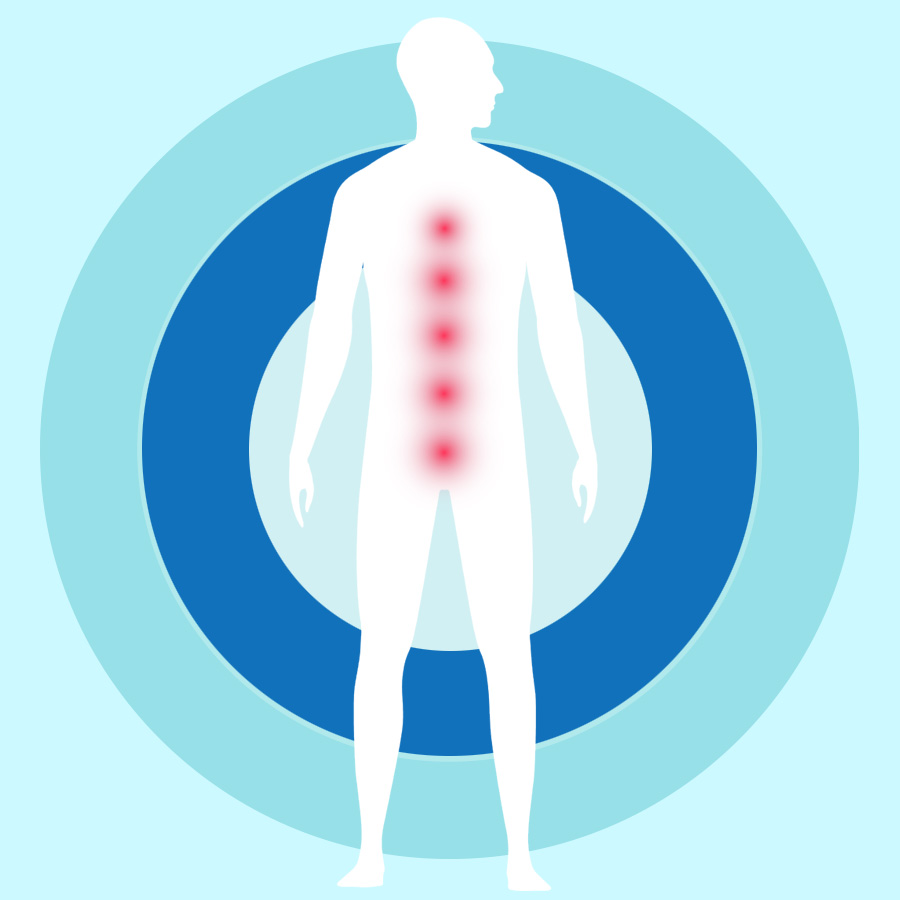
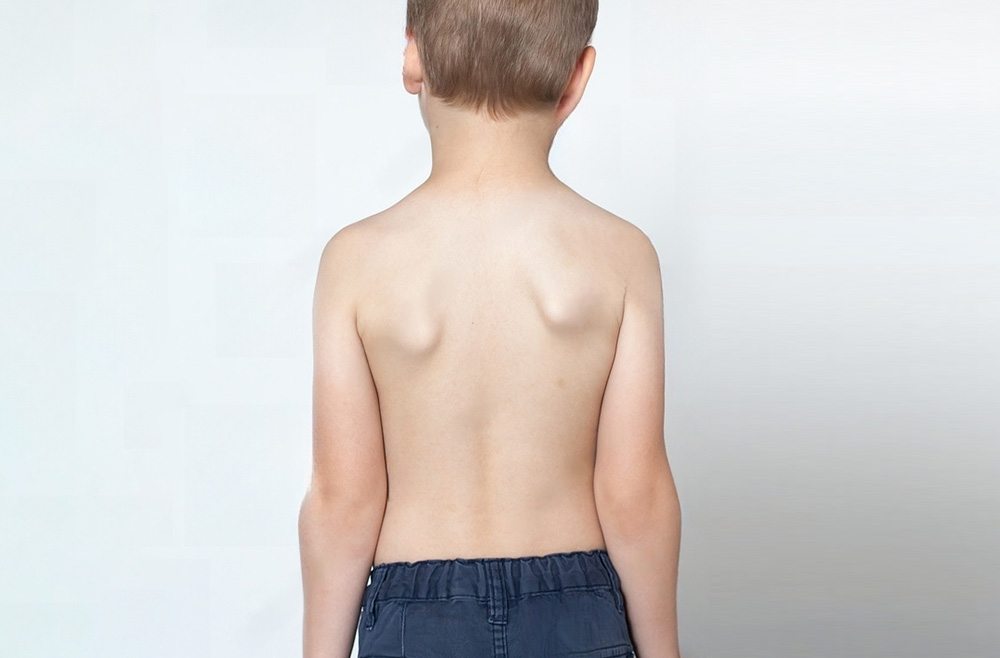
Scoliosis, which most often appears during adolescence, is an abnormal sideways curving and twisting of the spine. On the X-ray, it can be seen as an S-shaped (double curve) or C-shaped (single curve) spine. Due to the spinal deformity, the mobility of the curved vertebrae is reduced which makes it impossible to keep the spine straight. Scoliosis can develop anywhere along the spine – cervical, thoracic, or lumbar, but clinically common in the thoracic and lumbar spine.
Scoliosis is not necessarily painful in the early stage, so it can be easily missed. When a scoliosis diagnosis is delayed, it can make treatment more challenging.
Symptoms
Scoliosis can be measured in three ways: mild curve (more than 10 degrees), moderate curve (between 20 to 40 degrees) and severe curve (between 40 to 50 degrees or above). In severe cases, patients may require spinal surgery.
Idiopathic scoliosis usually occurs during adolescence. Scoliosis may deteriorate rapidly over a short period of time. It may shift the balance of the spinal muscles of the cervical, thoracic, and lumbar spine, and compress nearby nerves – subsequently affecting body functions and causing complications.
Severe scoliosis can lead to thoracic torsion which may disrupt heart and lung functions. It may also lead to osteophyte, which the bone spur may compress the spinal nerves, causing numbness in the lower back and legs. In severe cases, patients may not be able to walk normally.
Suggestions
Treatment depends on the severity of the scoliosis and the age of the patient. The earlier the scoliosis is detected, the more treatment options are available.
- Monitoring – doctor will monitor the child’s curvature through X-rays at regular intervals to determine if the curve is getting bigger.
- Wearing a brace – If the child has moderate scoliosis and the bones are still growing, wearing a brace helps to prevent the curve from getting worse, though it won't reverse the curve. Children who wear braces can still participate in most activities.
- Surgery – For scoliosis of 45 degrees or above, doctor might recommend surgery to correct the curvature of the spine. Such surgery involves implantation of a metal rod and a procedure called spinal fusion – which is to fuse together the curved vertebrae and realign the spine.
- Physiotherapy - exercise, traction therapy, manual therapy or other physiotherapy methods to manage and potentially improve the symptoms of scoliosis.
- Spine Therapy - manual therapy, traction therapy, soft tissue therapy, custom-made foot orthoses and the regular follow-up plan for X-rays screening.
 English
  繁體中文
繁體中文  简体中文
简体中文